Behind the scenes of “Deutscher Herbst”
With Deutscher Herbst, Ruhrtriennale 2026 is staging the world premiere of Christopher Rüping’s new work which is co-produced with the Deutsches Theater Berlin.
When one hears about the term “Deutscher Herbst”, people initially think of autumn 1977 in Germany. Rüping’s starting point, however, is the autumn of 1946 – more precisely: the book of the same name by Swedish journalist Stig Dagerman, who travelled through a devastated Germany shortly after the end of World War II. This travelogue “got under my skin”, says Rüping.
Dagerman’s text is of central importance to the production, even though it is not an adaptation of his book. Instead, it turns its gaze to the present and links Dagerman’s observations with Caspar David Friedrich, other “German Autumns”, the director’s own biography, as well as fears about the future and existential anxieties, and concerns about the rise of right-wing forces.
Rüping’s trusted collaborators – Wiebke Mollenhauer, Benjamin Lilie and Steven Adjei Sowah – take to the stage. At the same time, the director is keen to strike a balance and create space for new encounters and voices.
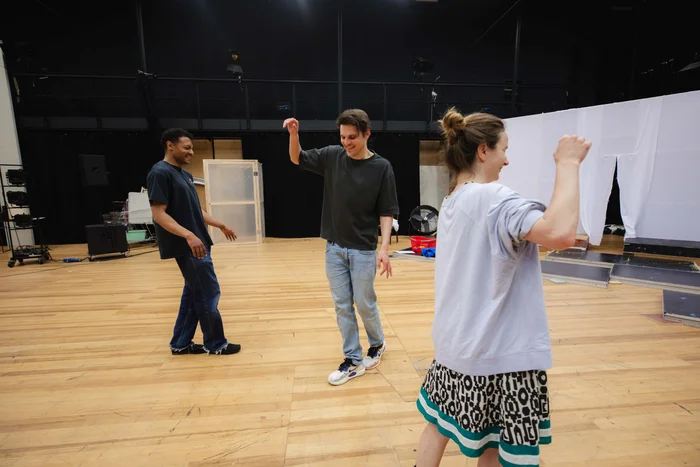
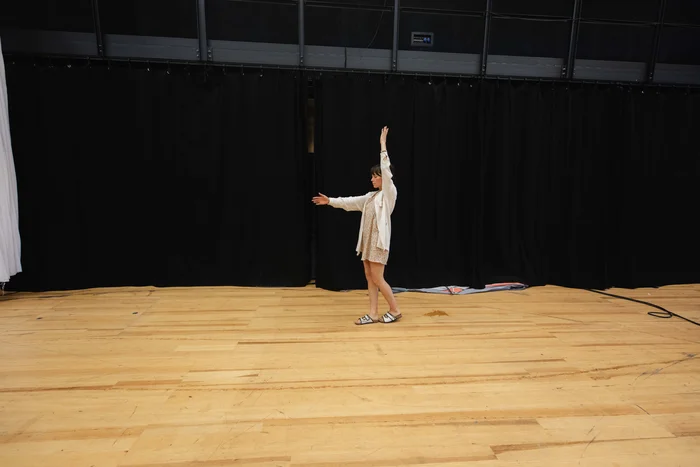
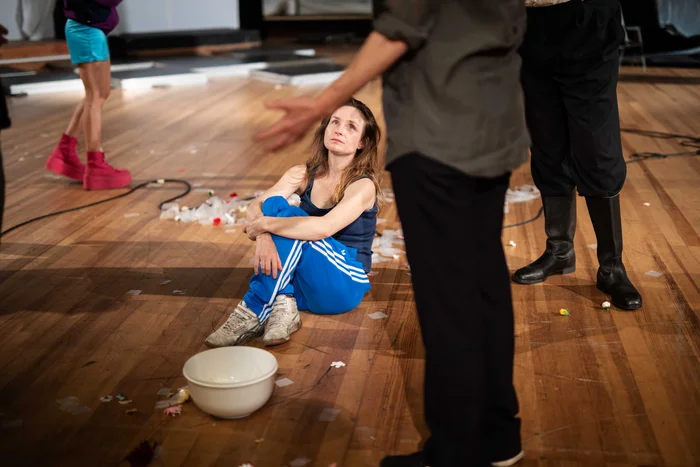
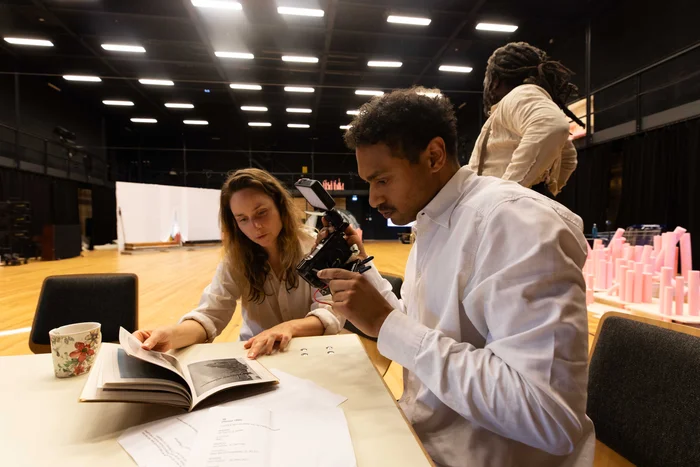
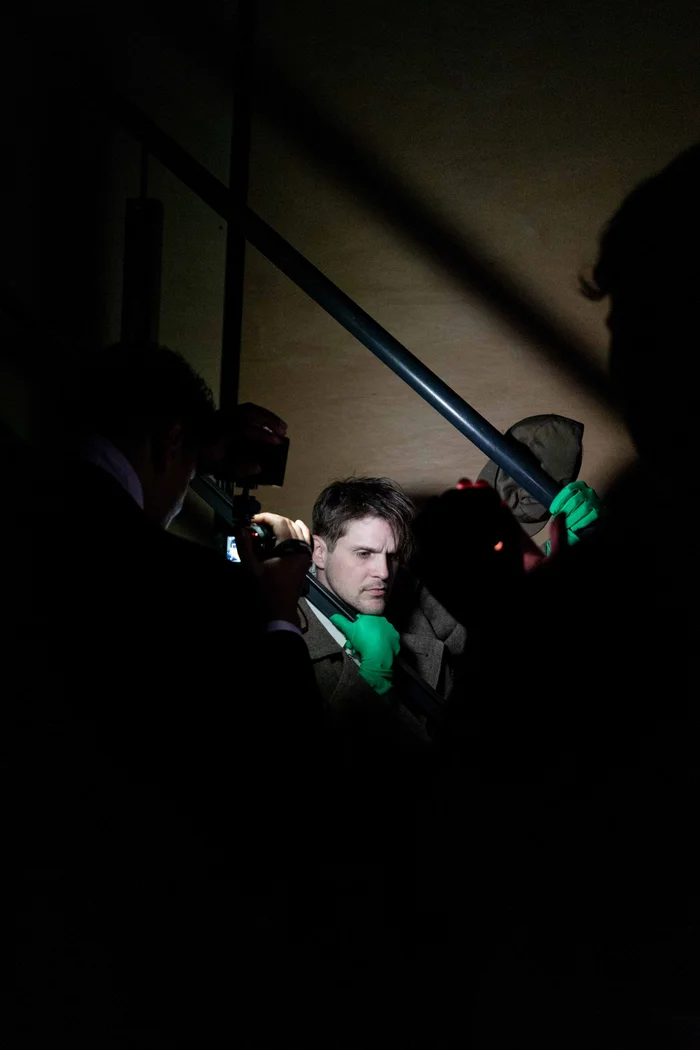
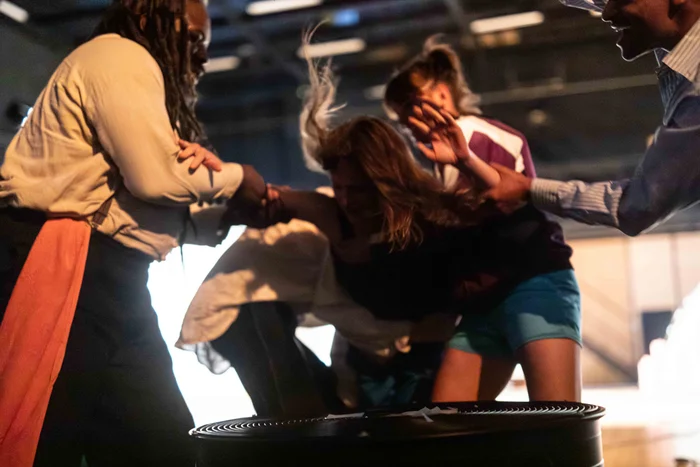
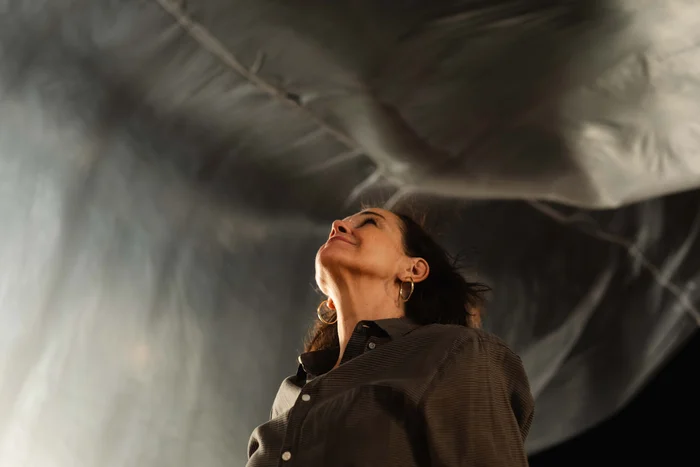
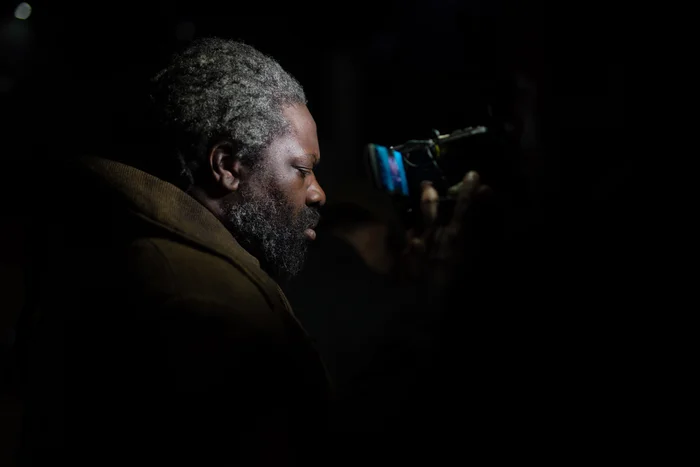
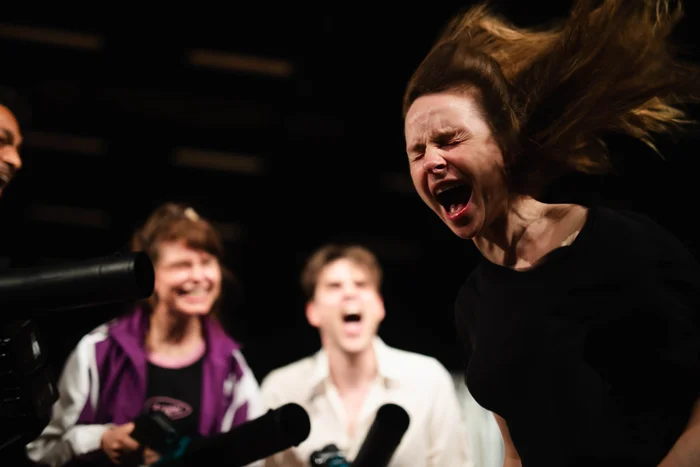
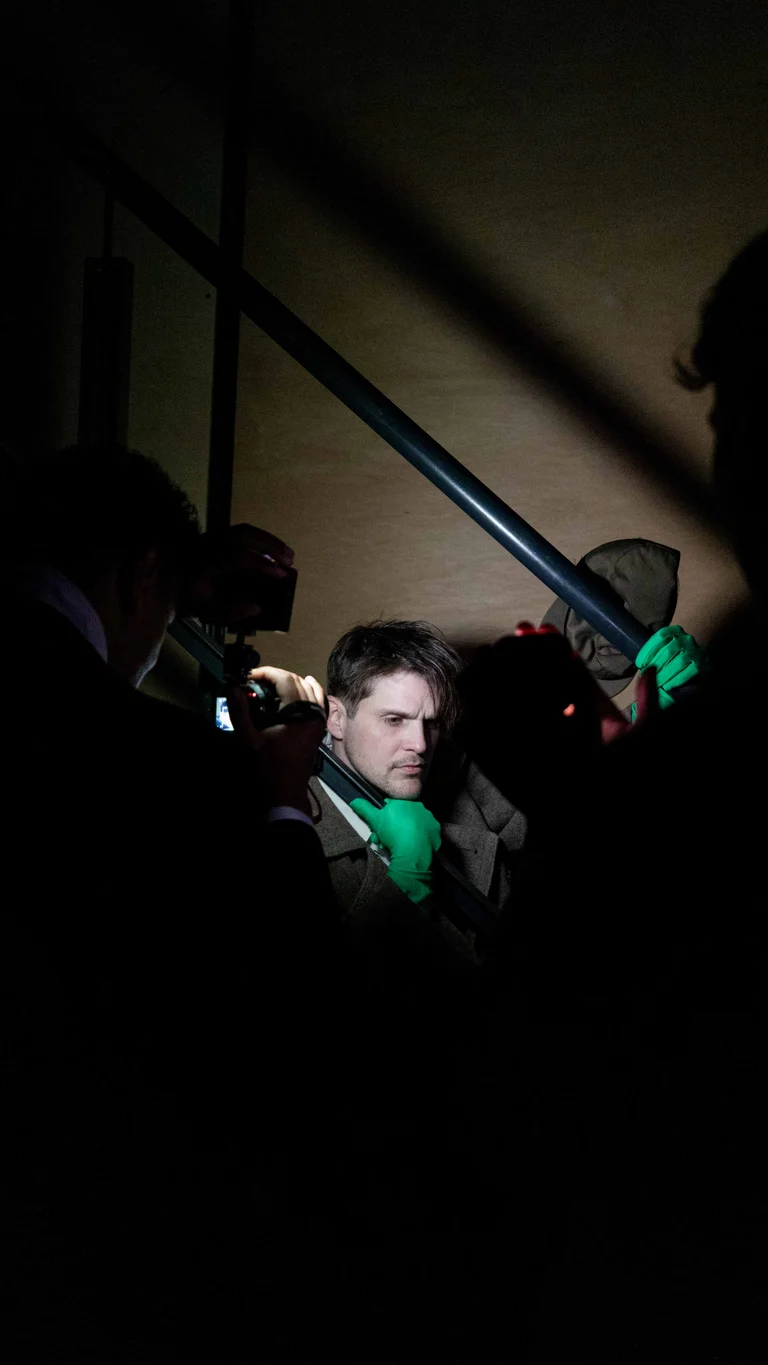
The first rehearsals for Deutscher Herbst took place at the Deutsches Theater Berlin from mid-May to early July. Emma Lou Herrmann has captured some impressions for us.